Empathy > Data

Sometimes I remember what a person has written, be that an observation about their world, facts gathered, or lessons learned. More often I remember how I felt when reading– when reading them. There are honestly times I almost immediately forget the entire content of a post while still experiencing great fullness at the encounter. A […]

Empathy > Data

Shattered Hope

Share a lesson you wish you had learned earlier in life. I wish I had realized sooner just how far our greedy politicians and the elite would go to cling to their power and wealth. It’s shocking how deep the corruption runs and how much they’re willing to sacrifice—people’s well-being, the future of the country—just […]

Shattered Hope

Good News Tuesday for September 16, 2025: Food for Plastic Waste, Trader Joe’s Donates All Unsold Usable Products, Drones for Mosquito Control, and a Call to Service in Oakland, California

A Cafe in India Trades Food for Plastic Waste In a cafe in Ambikapur, India, people can trade a kilogram (2.2lb) of plastic waste for a meal of rice, two vegetable curries, dal, roti, salad and pickles. For half a kilogram, a person can get breakfast like samosas. The cafe is run by Ambikapur Municipal […]

Good News Tuesday for September 16, 2025: Food for Plastic Waste, Trader Joe’s Donates All Unsold Usable Products, Drones for Mosquito Control, and a Call to Service in Oakland, California

Our Parenting Instincts… We Should Trust Them-Part Two

Here is the second tale that came to mind as I was speaking with the Mom of a high schooler last week…

Our Parenting Instincts… We Should Trust Them-Part Two

Autumn Close – a poem by Paul Vincent Cannon

For #TankaTuesday Challenge No. 39 24 Seasons Colleen has invited us to write a syllabic poem and – use kigo words from the White Dew (September 7 – 22) theme in their syllabic poems. The challenge encourages creativity and engagement among participants. Image by Sabine van Erp from Pixabay Form: Tanka (5-7-5-7-7) Puente – Three […]

Autumn Close – a poem by Paul Vincent Cannon

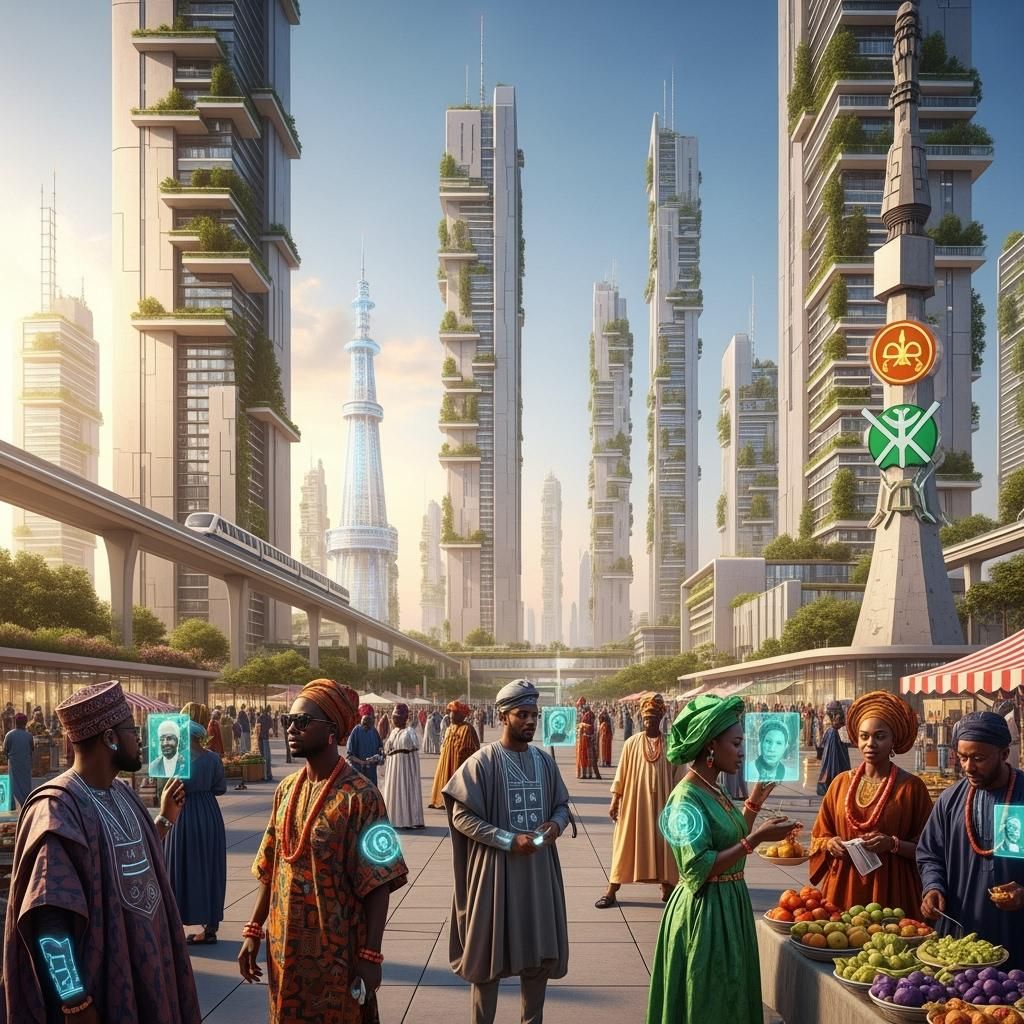
How would you design the city of the future?

THE FUTURE CITY OF NIGERIA

The future of Nigeria’s cities is a vibrant narrative shaped by a rich historical backdrop, diverse cultural identities, and the aspirations of its people. Understanding this future requires a comprehensive look at the nation’s origins, significant historical milestones, and the dynamic identities that define its urban centers.

### Historical Origins

Nigeria’s history is deeply rooted in ancient civilizations. The Nok culture, which thrived around 1000 BCE, is one of the earliest known societies, renowned for its intricate terracotta sculptures. By the 15th century, powerful kingdoms like the Oyo Empire and the Kingdom of Benin emerged, showcasing advanced governance, trade networks, and cultural achievements. The arrival of Europeans in the late 15th century marked a new chapter, culminating in British colonization in the late 19th century. Nigeria was officially amalgamated into a single entity in 1914, leading to independence on October 1, 1960. This historical context lays the foundation for understanding the complexities of modern Nigerian cities.

### Identity and Tribes

Nigeria is home to over 250 ethnic groups, with three major tribes—Hausa, Igbo, and Yoruba—each contributing uniquely to the nation’s identity. The **Hausa**, primarily in the north, are known for their roles in agriculture and trade, often engaging in occupations such as farming, trading, and handicrafts. The **Yoruba**, based in the southwest, are celebrated for their rich cultural traditions, particularly in arts and religion, with professions ranging from education to technology. The **Igbo**, predominantly found in the southeast, are recognized for their entrepreneurial spirit, excelling in commerce and manufacturing. This diversity fosters a vibrant urban culture, particularly in cities like Lagos and Abuja, where various identities coexist and interact.

### Religions

Religion significantly influences Nigeria’s societal framework, with Islam and Christianity being the dominant faiths. Approximately 50% of the population practices Islam, mainly in the northern regions, while around 40% are Christians, predominantly in the south. Indigenous beliefs also play a crucial role, often intertwining with these major religions. This religious diversity shapes community interactions and will likely continue to influence social dynamics in urban areas.

### Urbanization and Growth

Nigeria is one of the fastest urbanizing countries in the world. Projections indicate that by 2050, over 60% of the population will reside in urban areas. Cities like Lagos, with an estimated population of over 14 million in 2023, exemplify this rapid growth, making it one of the largest cities in Africa. However, this urbanization presents significant challenges, including inadequate infrastructure, housing shortages, and environmental concerns. Effective urban planning and investment in public services are essential to accommodate this growth.

### Creativity and Popularity

Nigerian cities are becoming global cultural hubs, particularly in the realms of music and film. The rise of Nollywood, the Nigerian film industry, and the global popularity of Afrobeats have positioned Nigeria on the world stage. In 2021, the creative industry was estimated to contribute over $7 billion to Nigeria’s GDP, highlighting its potential for further growth. This cultural renaissance not only enhances the nation’s global reputation but also fosters a sense of national pride and unity.

### Charity and Community Spirit

Charity and community support are integral to Nigerian culture. Numerous NGOs and grassroots organizations work tirelessly to address social issues, from education to healthcare. This spirit of giving reflects the zeal of Nigerians to uplift their communities, fostering resilience and social responsibility.

### Conclusion

The future of Nigeria’s cities is a promising blend of historical richness and contemporary dynamism. As urban centers continue to evolve, they will reflect the nation’s diverse identities, creativity, and resilience. By addressing challenges and leveraging cultural strengths, Nigerian cities can emerge as thriving examples of innovation and inclusivity. Through collaboration and community spirit, the urban landscape of Nigeria will continue to grow and flourish, embodying the aspirations of its people and paving the way for a brighter future.

Where Do We Go From Here

Where Do We Go From Here? by the window,i sit and wonder:where do we go from here? will there truly be sunshineafter the rain—when all around usstorms rise,and the windshowl withcorruption,cruelty,and evil deedsflooding the land? this land we once fled to,seeking refugewhen heaven grew madand spit downits fury—rage and thundercrackingagainst trembling skies. where do we […]

Where Do We Go From Here

The Varanasi Seer And The English Shadow

Pandit Pankaj Pandey had been waking at the auspicious hour of 3:00 AM for as long as he could remember. Long before the swelling roar of the city fully stirred from its dreams. On this particular winter morning in 1984, as the faint chill of mist clung to the crumbling rooftops of Banaras, he rose […]

The Varanasi Seer And The English Shadow

First Relationships Begin

I am writing these posts in the hopes that it will help others be more aware of their relationship and behavior patterns and also to help someone possibly catch problems before they lose themselves or their lives. https://www.joyful2beeblogs.com/2025/08/20/ letter-to-my-childhood-self/ https://www.joyful2beeblogs.com/2025/08/21/introduction-healing-wounds/ My Early Years My childhood was in a loving home with happily married parents. My […]

First Relationships Begin

Neither here nor there

words are emotions illumined by light collectors like summer fireflies coming and going at will there still lingers the reset Reena’s Xploration Challenge #385 This week, use any one or more of the following words in your piece. You are free to invent other unusual words ending with ‘collector’. Ensure they DO NOT pertain to common […]

Neither here nor there

Create a website or blog at WordPress.com

Up ↑

Design a site like this with WordPress.com
Get started